Jordan Intercepts Iranian Missiles Following Joint U.S. and Saudi Strikes in Iraq
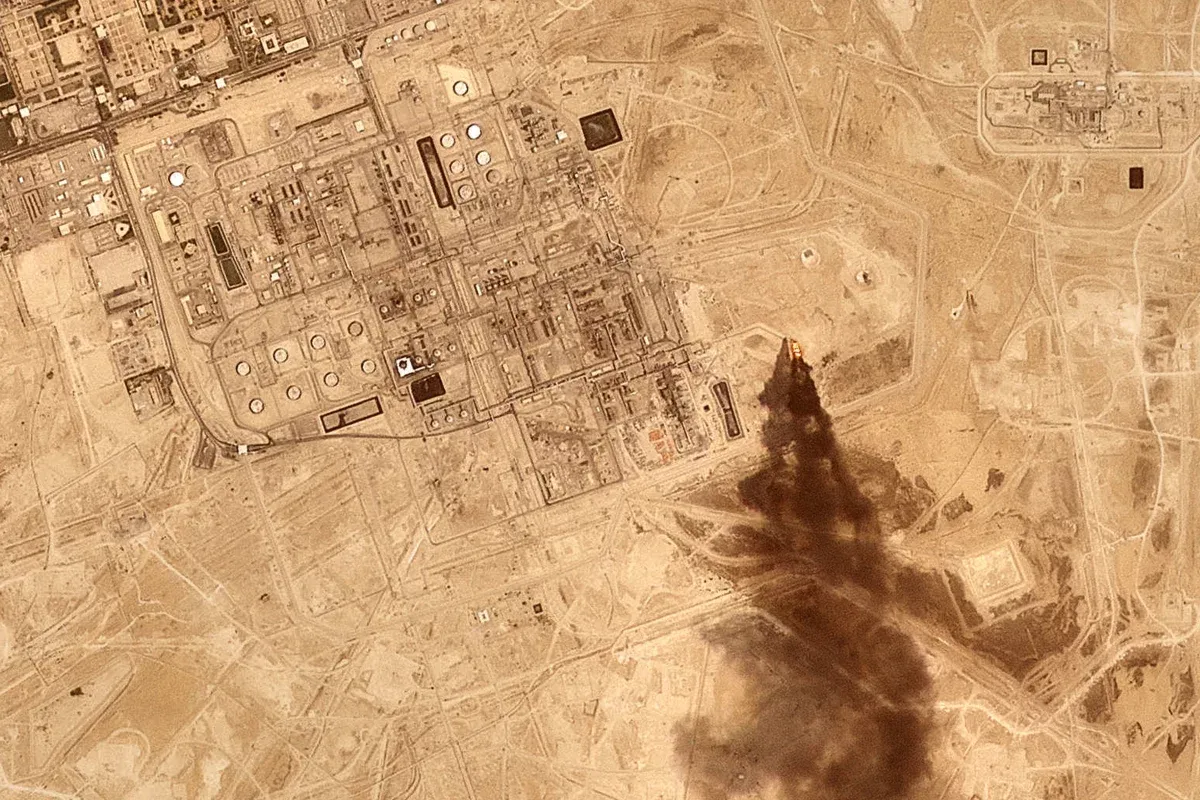
Tensions across the Middle East flared once again as Jordan's military intercepted and destroyed five ballistic missiles launched from Iran early Wednesday morning. The barrage shattered a brief three-day pause in regional airstrikes, renewing fears of wider military escalation.
According to Iranian statements, the missiles were directed toward strategic locations in Jordan, including the Muwaffaq Salti Air Base and facilities hosting U.S. Central Command personnel. The strike followed a series of coordinated joint air operations by U.S. and Saudi forces against armed militia sites in eastern Iraq. Central Command reported that the joint operations targeted logistics hubs and weapons storage facilities linked to over 30 drone attacks launched over the previous three days.
The overnight strikes in Iraq hit multiple positions belonging to the Popular Mobilization Forces (PMF), leaving at least 20 dead and dozens wounded. In response to the strikes on Iraqi territory, Prime Minister Ali al-Zaidi convened an emergency meeting of the National Security Council, emphasizing Iraq's commitment to preventing its land from becoming a battleground for foreign conflicts.
Meanwhile, commercial shipping routes through crucial regional waterways remain on high alert. State media reports indicate Iranian naval forces detained three oil tankers in the strategic Strait of Hormuz over alleged navigational violations. At the same time, Houthi forces in Yemen continue to target commercial maritime traffic in the Red Sea as part of a declared blockade. With approximately 20% of global oil supplies passing through the Strait of Hormuz, the escalating military actions pose severe risks to international maritime security and global energy markets.